Communication and Trip Preparation
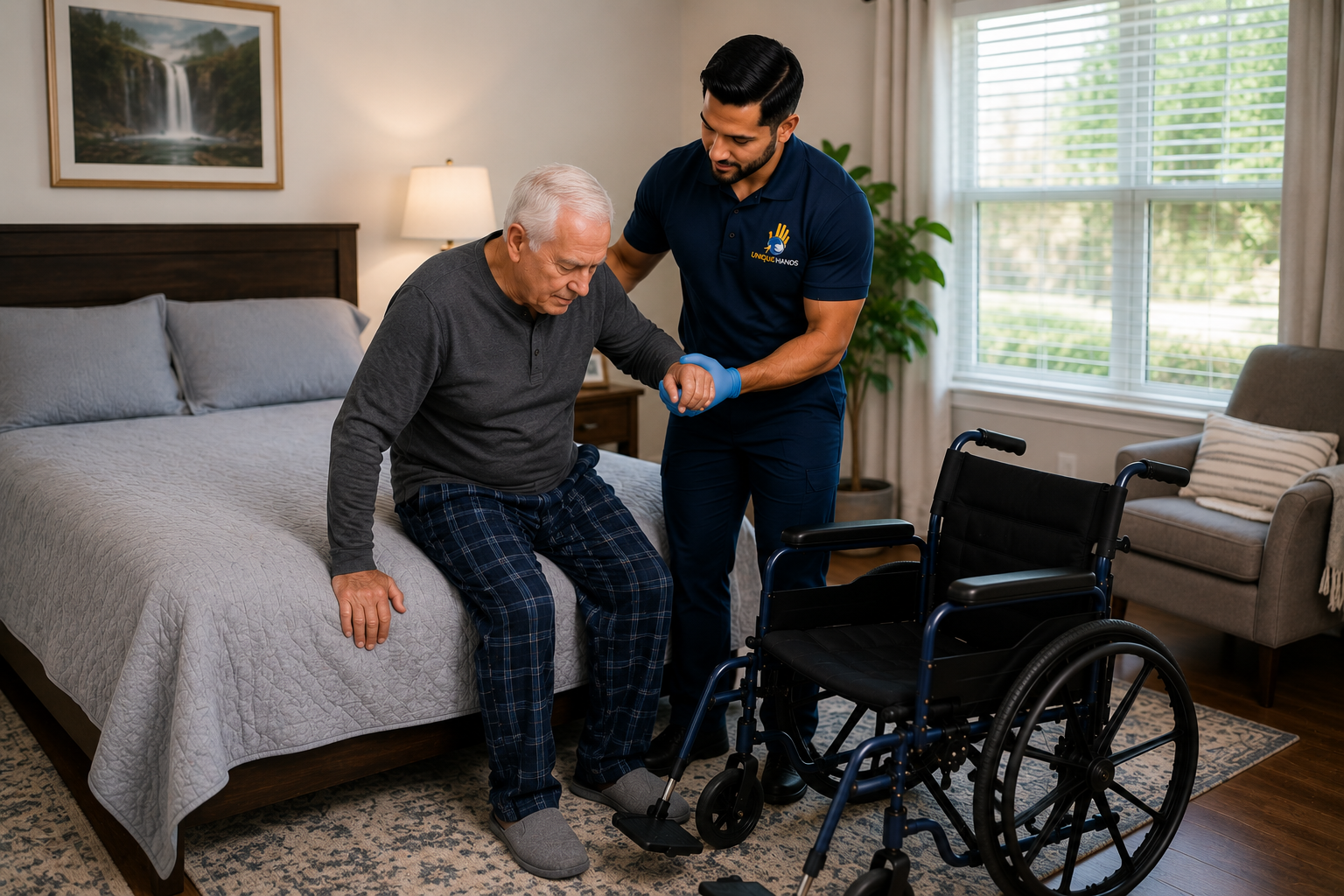
Information to Confirm Before a Bedridden Passenger Travels
Clear communication is especially important when transportation involves
a bedridden, bed-bound, or significantly mobility-limited passenger.
Families, caregivers, discharge planners, and facilities should share
relevant mobility and access information before transportation is arranged.
Helpful details may include the passenger’s ability to stand,
bear weight, transfer, remain seated, tolerate longer travel, and use
wheelchair or stretcher transportation. Pickup and destination conditions
should also be discussed.
01
Before the Trip
Confirm the passenger’s mobility, transfer ability, weight,
positioning needs, transportation type, stairs, elevators, room
location, pickup time, and destination.
02
During Trip Planning
Transportation providers may need to review whether the passenger
can travel by wheelchair, whether stretcher transportation should
be considered, and whether access conditions require additional
planning.
03
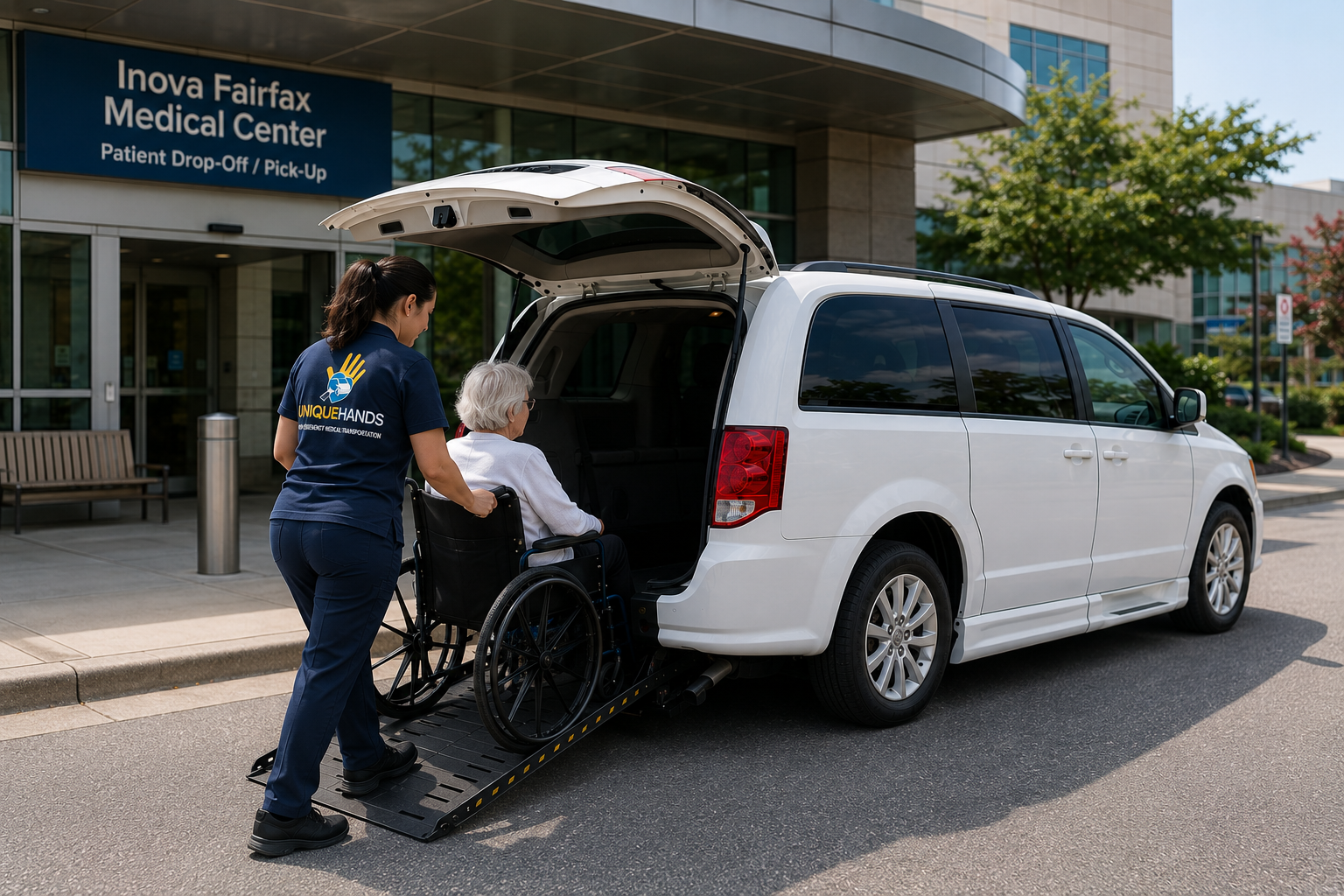
At the Destination
Confirm the receiving entrance, elevator access, room location,
facility procedures, and whether a caregiver, family member, or
facility representative will be available when the passenger arrives.
Why these details matter:
Missing information about stairs, mobility, transfer limitations,
building access, or destination conditions can affect whether the
requested transportation arrangement is appropriate.
If a passenger requires transportation beginning at the bedside and
continuing through the receiving location, learn more about
UniqueHands’ Bed-to-Bed Transportation
service.
Transportation arrangements may vary based on passenger mobility,
transportation type, staffing, equipment, property access, trip
distance, destination requirements, and scheduling availability.
Non-emergency medical transportation does not include emergency
response, clinical treatment, nursing care, or continuous medical
monitoring.