Transporting Elderly Long Distance: How to Make the Trip Less Worrisome
Transporting Elderly Long Distance: How to Make the Trip Less Worrisome
Transporting an elderly parent or loved one over a long distance can feel overwhelming. Mobility, comfort, travel time, accessibility, medications, luggage, destination arrangements, and whether a family member should accompany the passenger all require thoughtful planning.

Long-Distance Elderly Transportation Does Not Have to Be Overwhelming
Families often worry about how an elderly loved one will tolerate a long journey. Questions may include whether the passenger can remain seated comfortably, how a wheelchair or walker will be accommodated, how long the trip will take, whether rest stops will be needed, and who will receive the passenger at the destination.
Those concerns are reasonable, but careful planning can make the process much more manageable. The key is to understand the passenger’s actual mobility and travel needs before selecting a transportation option.
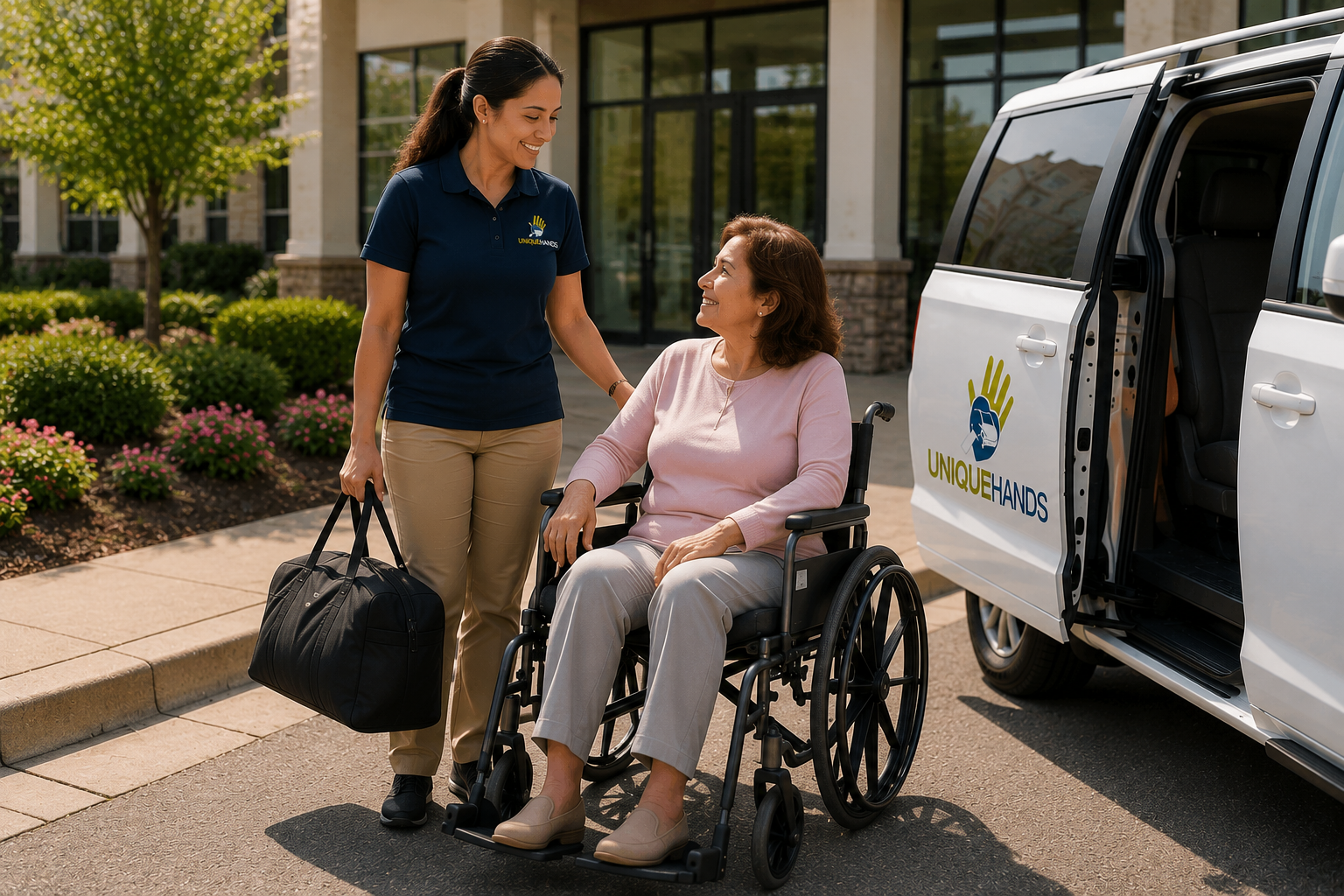
UniqueHands provides private-pay long-distance medical transportation for qualifying medically stable passengers, including seniors who may need ambulatory, wheelchair, or non-emergency stretcher transportation.
Explore Transportation Options Before Planning the Trip
Families can review the broader transportation services available before deciding which transportation type best matches the passenger.
Non-Emergency Medical Transportation Services Explore NEMT ServicesAssess the Elderly Passenger’s Specific Needs
Before selecting transportation, families should think through the passenger’s mobility, ability to tolerate a long ride, personal comfort, and whether any mobility devices will travel with them.
Mobility
Can the passenger walk independently? Do they use a walker or wheelchair? Can they transfer into a standard seat?
Positioning
Can the passenger remain seated comfortably for an extended trip, or is non-emergency stretcher transportation being considered?
Comfort
Consider seating, temperature, travel duration, rest stops, personal belongings, and anything that may help the passenger tolerate the journey.
Pickup and Destination
Identify stairs, elevators, ramps, building entrances, facility instructions, and who will receive the passenger at the destination.
Compare Long-Distance Transportation Options
The best transportation option depends on the passenger’s independence, mobility, travel distance, and overall trip requirements.
Family or Private Vehicle
A family vehicle may work when the passenger can comfortably enter and exit the vehicle, tolerate the trip, and travel without specialized accessibility or positioning needs.
Commercial Air Travel
Air travel may be suitable for independent or appropriately accompanied passengers when airport navigation, transfers, security, boarding, and destination transportation can be managed.
Train or Bus Travel
Public transportation may be practical for some independent seniors, but families should consider station accessibility, transfers, luggage, walking distance, restroom access, and schedule flexibility.
Private Long-Distance NEMT
Ground NEMT may be appropriate when the passenger needs a planned trip with wheelchair accessibility, non-emergency stretcher positioning, mobility assistance, or transportation arranged directly from pickup to destination.
Explore Long-Distance Medical Transportation →MOBILITY MATTERS
Wheelchair and Stretcher Options for Elderly Passengers
Wheelchair Transportation
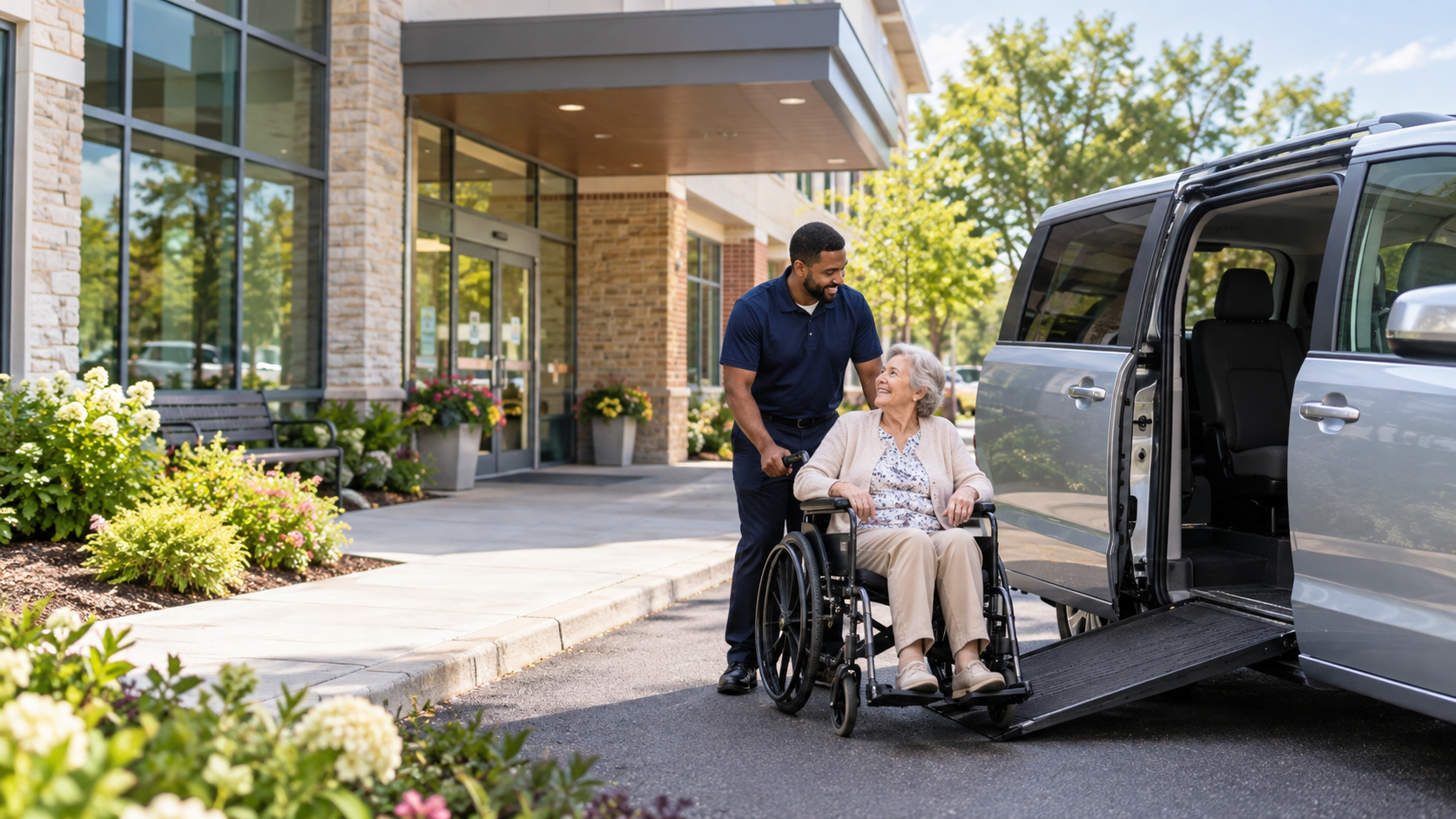
A wheelchair user may need an accessible vehicle with appropriate boarding and wheelchair securement rather than transferring into a standard passenger seat.
Wheelchair Transportation →Non-Emergency Stretcher Transportation
Certain medically stable passengers who cannot comfortably remain seated for a long trip may need transportation in a stretcher position.
Stretcher Transportation →Coordinate With the Passenger’s Healthcare Team When Appropriate
If an elderly passenger has recently been hospitalized, undergone a procedure, or has questions about whether a long trip is appropriate, the family may want to discuss the travel plan with the passenger’s healthcare provider.
Families should make sure medications, personal supplies, mobility devices, discharge instructions, and important contact information travel with the passenger when needed.
UniqueHands provides transportation rather than clinical care, so any medical decisions, medication instructions, or questions about fitness for travel should be addressed with the appropriate healthcare professional.
Tell Us About the Passenger and the Route
Provide the pickup address, destination, requested date, passenger mobility, wheelchair or stretcher needs, building access information, and whether a family member may travel with the passenger.
Request Transportation Call (571) 970-1828Practical Ways to Make a Long Trip More Manageable
Consider a Family Companion
A familiar family member or caregiver may provide reassurance, conversation, and help with personal belongings. Ask the transportation provider about companion arrangements and available vehicle space.
Plan Accessibility
Tell the provider about stairs, ramps, elevators, wheelchair-accessible entrances, long hallways, or other access conditions before transportation.
Keep Important Items Accessible
Keep medications, identification, personal items, clothing, mobility devices, chargers, contact information, and other important belongings organized for the trip.
Discuss Rest Stops
For long ground trips, ask how rest stops are handled when appropriate and what the passenger may need during the journey.
Maintain Communication
Families may want to keep a charged phone, emergency contacts, destination contacts, and travel details available throughout the trip.
Plan the Arrival
Confirm who will receive the passenger, where the vehicle should arrive, and whether the destination has specific entrance or facility instructions.
Why Families Consider Private NEMT for Elderly Long-Distance Travel
Families can sometimes manage long-distance transportation independently. But when wheelchair accessibility, stretcher positioning, limited mobility, a hospital discharge, unfamiliar driving, or several hours of travel make the trip more complicated, professional transportation may reduce the burden.
A dedicated transportation provider can coordinate the trip around the pickup location, destination, mobility requirements, transportation type, travel distance, and requested schedule.
UniqueHands provides transportation services rather than nurses, personal-care attendants, medication administration, continuous monitoring, or ambulance-level medical care.
More Information for Families Planning Longer Trips
State-to-State Medical Transportation Options →
How Out-of-State Medical Transportation Works →
UniqueHands Is a Private-Pay Transportation Provider
UniqueHands provides private-pay non-emergency medical transportation and does not bill Medicaid or private health insurance.
Individuals seeking transportation through Medicaid, Medicare-related benefits, insurance, charitable organizations, or public transportation programs should contact those programs directly to determine eligibility.
When Long-Distance NEMT Is Not Appropriate
UniqueHands provides planned transportation for medically stable passengers. If an elderly person is experiencing a medical emergency, severe symptoms, or a potentially life-threatening condition, call 911 or seek appropriate emergency medical care rather than scheduling non-emergency transportation.
Frequently Asked Questions
What should families consider before transporting an elderly person long distance?
Consider mobility, ability to transfer, wheelchair or walker use, whether the passenger can remain seated comfortably, travel duration, accessibility at both locations, personal belongings, rest stops, and who will receive the passenger at the destination.
Can an elderly wheelchair user travel long distance?
Yes, when an appropriate wheelchair-accessible transportation option is available and the passenger’s mobility and trip requirements can be accommodated.
Can an elderly passenger travel by stretcher?
Certain medically stable passengers may be appropriate for non-emergency stretcher transportation when they cannot comfortably remain seated during the trip.
Can a family member travel with the elderly passenger?
Companion arrangements depend on the trip, passenger requirements, vehicle capacity, and scheduling. Ask about this when requesting transportation.
Does UniqueHands provide medical monitoring during long-distance transportation?
No. UniqueHands provides non-emergency transportation rather than ambulance-level medical care, continuous monitoring, medication administration, nursing, or emergency medical treatment.
How far in advance should long-distance elderly transportation be arranged?
Advance planning is recommended whenever possible because availability depends on the route, requested date, travel time, transportation type, mobility needs, and vehicle availability.
A Long-Distance Trip Can Be Easier With the Right Planning
Transporting an elderly loved one over a long distance does not have to be as worrisome as it first sounds. The process becomes easier when families understand the passenger’s mobility, select an appropriate transportation method, prepare important belongings, communicate destination details, and allow enough time to plan the trip.
When ordinary transportation is not a good fit, private long-distance NEMT may provide an option for medically stable elderly passengers who need ambulatory, wheelchair, or non-emergency stretcher transportation.
Need to Transport an Elderly Loved One Long Distance?
Tell us the pickup location, destination, requested date, passenger mobility needs, wheelchair or stretcher requirements, and any important access details so our team can review the trip.
UNIQUEHANDS RESOURCES
Medical Transportation Articles
Explore practical guides for families, caregivers, and facilities planning wheelchair, stretcher, ambulatory, hospital discharge, long-distance, and state-to-state non-emergency medical transportation.