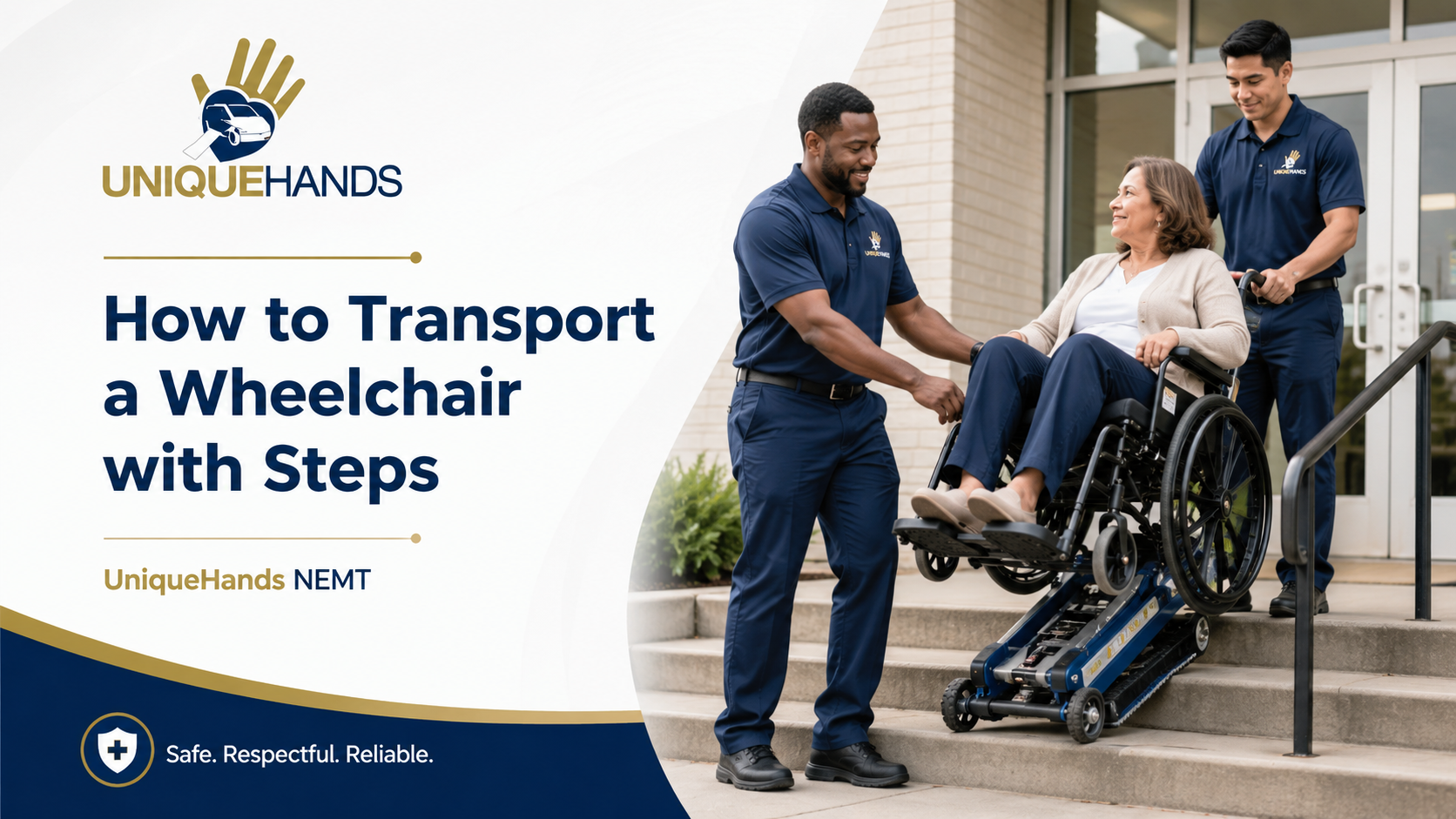
Medical Transportation for Disabled Individuals: Accessible Travel Matters

Medical Transportation for Disabled: Disabled Are Not Forgotten
Introduction
In today's world, where accessibility and inclusivity are of utmost importance, it is crucial to ensure that individuals with disabilities have equal access to healthcare and transportation services. For those with disabilities, medical transportation plays a vital role in their overall well-being and quality of life. This article will delve into the challenges faced by disabled individuals when it comes to transportation and explore the significance of medical transportation services in addressing their unique needs.
The Importance of Accessible Transportation for Disabled Individuals
- Equal Access to Healthcare: Access to healthcare is a fundamental right for every individual. However, for disabled individuals, transportation barriers often hinder their ability to attend medical appointments or receive necessary treatments. Accessible transportation services aim to bridge this gap, ensuring that disabled individuals can access healthcare facilities without any limitations.
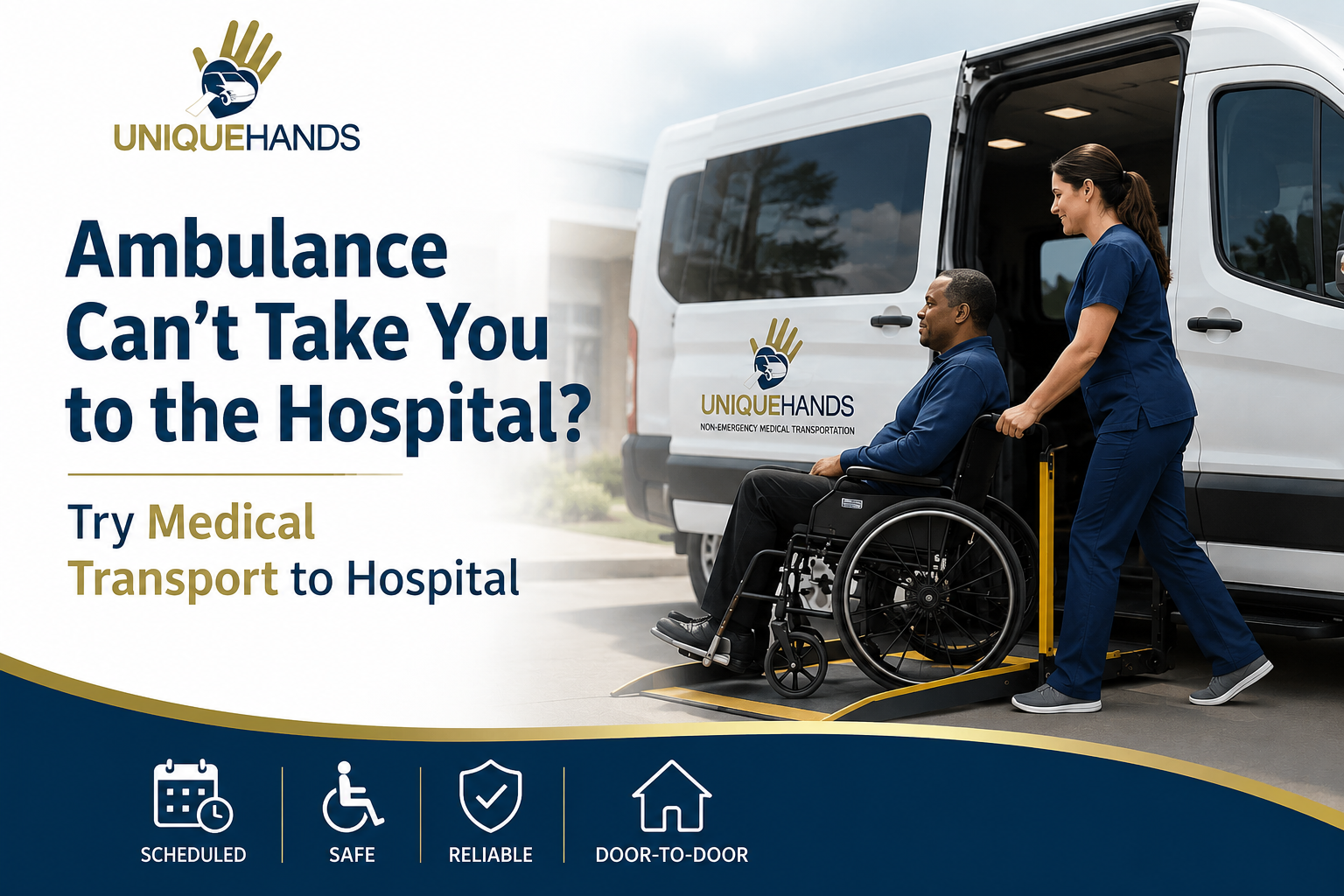
- Accessible transportation services provide wheelchair-accessible vehicles, equipped with features such as wheelchair lifts and securement systems. This allows disabled individuals to easily and safely board the vehicle, ensuring a smooth and comfortable journey to their medical appointments.
- These services may also offer trained staff who are knowledgeable about the specific needs of disabled individuals. They can provide assistance during the transportation process, ensuring that individuals with mobility challenges are well taken care of throughout their journey.
- By ensuring equal access to healthcare, accessible transportation services contribute to improved health outcomes for disabled individuals. Regular medical appointments and treatments become more feasible, reducing the risk of delayed or missed appointments that can have severe consequences for their health.
- Enhanced Quality of Life: Transportation is not just about reaching the destination; it is about freedom, independence, and the ability to participate fully in society. By providing accessible medical transportation, disabled individuals can enjoy a better quality of life, engage in social activities, and pursue employment or educational opportunities.
- Accessible transportation services enable disabled individuals to participate in social activities and events, promoting social integration and reducing feelings of isolation. They can attend family gatherings, community events, and other social functions without the worry of transportation barriers.
- These services also empower disabled individuals to pursue employment or educational opportunities. By providing reliable transportation, they can commute to work or attend classes, expanding their horizons and enhancing their independence.
- The freedom and independence provided by accessible medical transportation contribute to an improved overall well-being, mental health, and self-esteem for disabled individuals. They can live more fulfilling lives, with greater control over their own choices and activities.
- Timely and Efficient Medical Care: Many medical conditions require regular check-ups, therapies, or treatments. Delayed or missed appointments can have severe consequences for disabled individuals. Medical transportation services cater specifically to their needs, ensuring they have reliable and timely access to medical care, thereby improving health outcomes.
- Accessible medical transportation services prioritize prompt and efficient transportation for disabled individuals. They understand the importance of timely medical care and work towards minimizing any delays or inconveniences.
- These services may offer flexible scheduling options, allowing disabled individuals to book transportation at their convenience. This ensures that they can attend their medical appointments without any unnecessary stress or discomfort.
- By providing reliable transportation, medical transportation services help disabled individuals adhere to their treatment plans, ensuring they receive the necessary therapies or treatments on time. This can significantly impact their health outcomes and overall well-being.
Challenges Faced by Disabled Individuals in Transportation
- Physical Barriers: Traditional transportation systems often lack the necessary infrastructure to accommodate individuals with disabilities. Lack of wheelchair ramps, narrow doorways, and inaccessible public transportation options make it extremely challenging for disabled individuals to travel independently.
- The absence of wheelchair ramps and narrow doorways in public transportation vehicles can prevent disabled individuals from boarding or disembarking safely. This creates a significant barrier to their mobility and independence.
- Inaccessible public transportation options, such as buses or trains without wheelchair lifts or designated seating areas, further limit the transportation choices available to disabled individuals. This can result in isolation and prevent them from accessing essential services, including medical facilities.
- Addressing these physical barriers requires the implementation of accessible infrastructure, including ramps, wider doorways, and wheelchair-accessible vehicles. This would enable disabled individuals to travel freely and independently, without facing unnecessary obstacles.
- Limited Accessibility Options: In many areas, accessible transportation options are limited, and the existing services may not adequately cater to the needs of disabled individuals. This can further isolate them from essential services and opportunities, exacerbating the existing societal barriers they face.
- Limited accessible transportation options can make it difficult for disabled individuals to access healthcare facilities, educational institutions, workplaces, or recreational activities. This restricts their ability to fully participate in society and hinders their overall well-being.
- It is crucial to expand accessible transportation services and ensure their availability in all areas. This would require collaborations between government entities, transportation providers, and disability advocacy groups to address the gaps and improve accessibility options for disabled individuals.
- Additionally, technology advancements, such as ride-sharing services with wheelchair-accessible vehicles, can contribute to expanding accessible transportation options. Embracing innovative solutions can help overcome the limitations faced by disabled individuals in transportation.
- Financial Constraints: Accessible transportation services can be costly, making it unaffordable for many disabled individuals who may already face financial challenges due to their disabilities. This financial burden restricts their ability to access necessary medical appointments, leading to compromised health outcomes.
- The cost of accessible transportation services, including specialized vehicles and trained staff, can create financial barriers for disabled individuals. This can result in them having to rely on alternative, less accessible transportation options or even forgo medical appointments altogether.
- It is essential to address the financial constraints faced by disabled individuals in accessing transportation services. This can be achieved through government subsidies, insurance coverage, or partnerships with nonprofit organizations that provide financial assistance.
- By alleviating the financial burden, disabled individuals can receive the medical transportation they need, ensuring timely access to healthcare and improving their overall health outcomes.
The Significance of Medical Transportation for Disabled Individuals
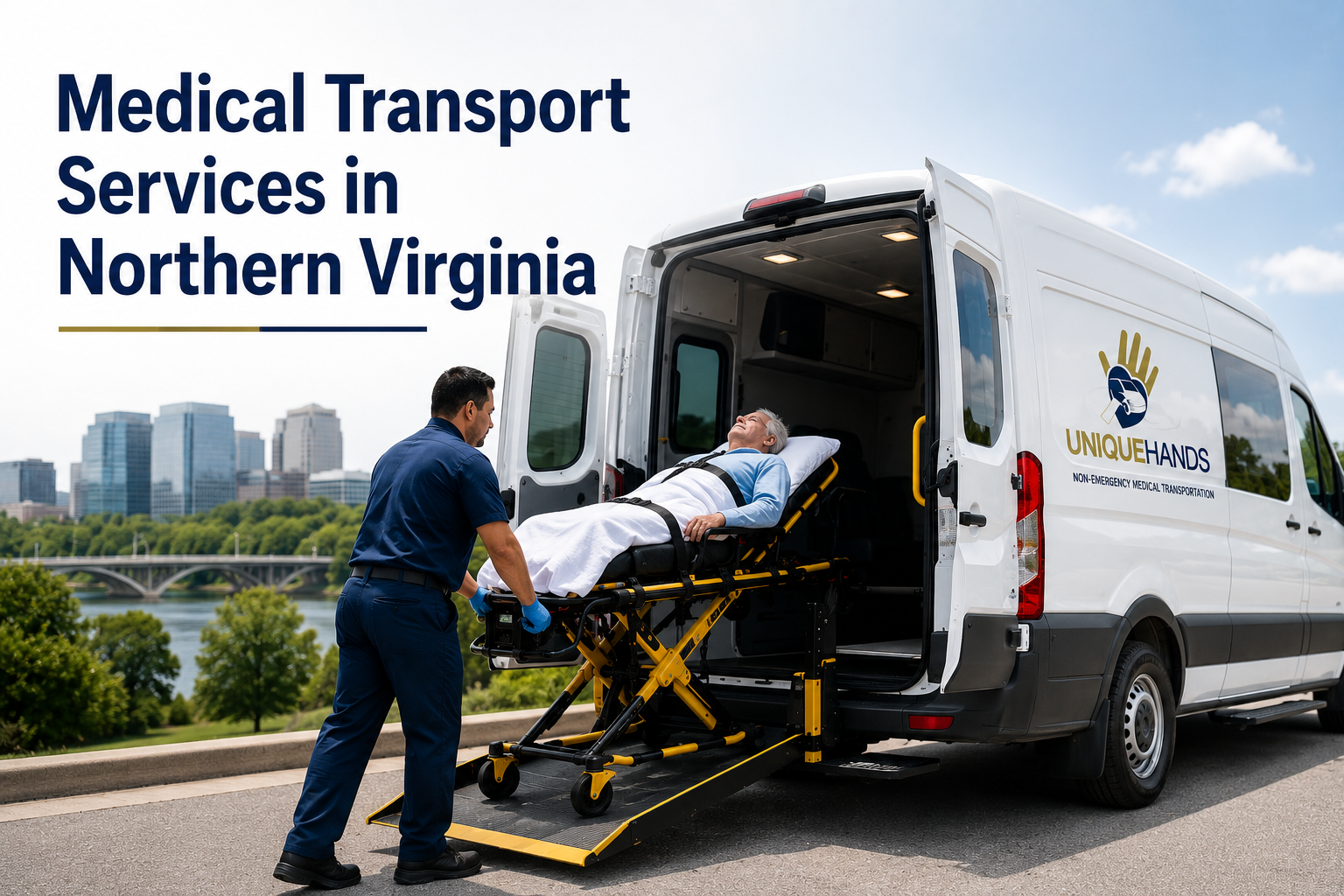
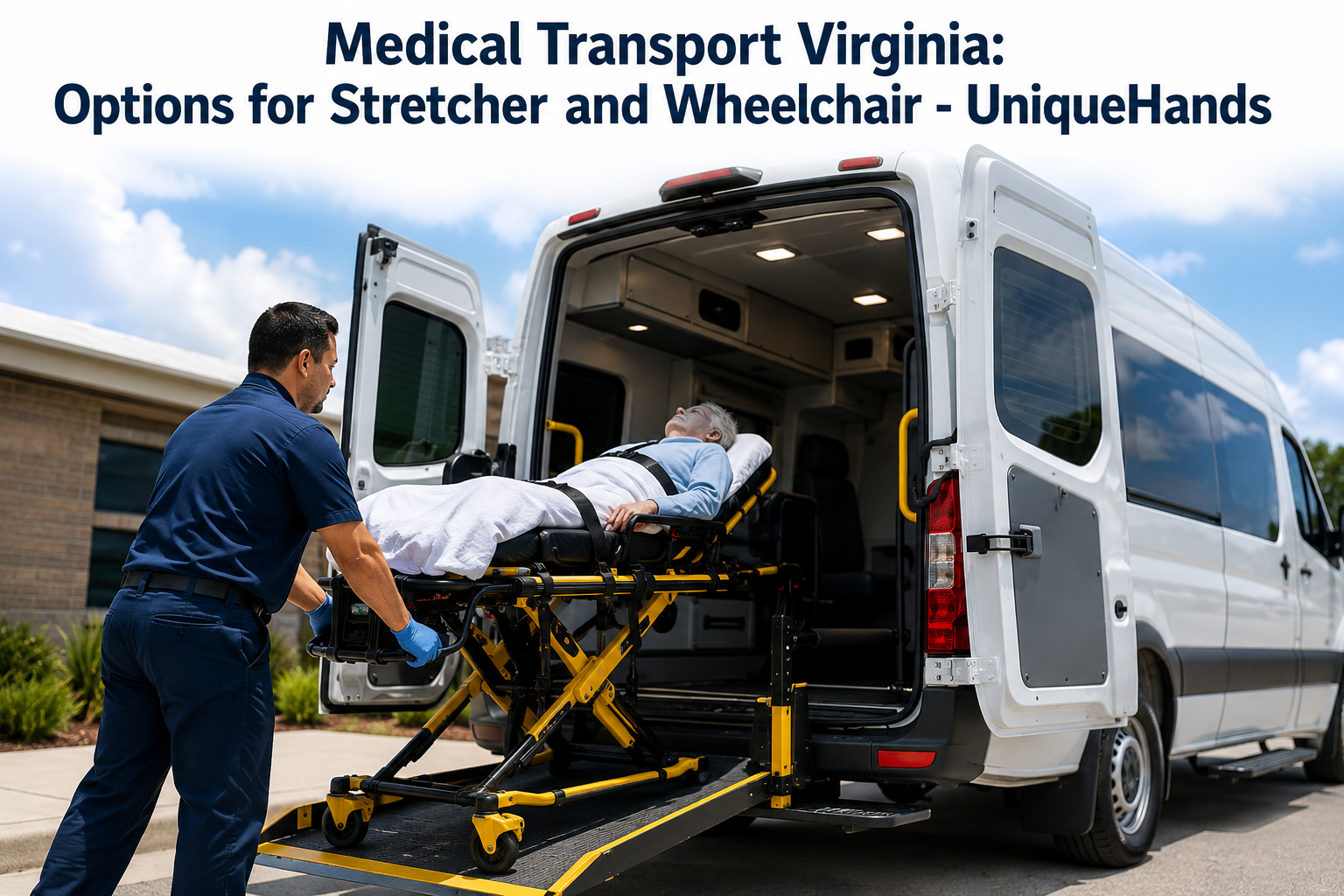
- Specialized Equipment and Vehicles: Medical transportation services are equipped with vehicles that are specially designed to accommodate individuals with disabilities. These vehicles are equipped with features such as wheelchair lifts, securement systems, and adjustable seating arrangements to ensure the safety and comfort of passengers.
- Wheelchair lifts in medical transportation vehicles enable disabled individuals using wheelchairs to board and disembark easily, without the need for physical assistance. This ensures their independence and dignity during the transportation process.
- Securement systems in these vehicles provide stability and safety for wheelchair users during the journey. This prevents any potential accidents or injuries and ensures a smooth and comfortable ride.
- Adjustable seating arrangements in medical transportation vehicles cater to the diverse needs of disabled individuals. They can accommodate individuals with different mobility challenges, providing them with a comfortable and supportive transportation experience.
- Trained Staff: Medical transportation providers employ trained personnel who understand the unique needs of disabled individuals. These professionals are experienced in assisting individuals with mobility challenges, ensuring a safe and comfortable journey.
- Trained staff in medical transportation services have the knowledge and expertise to assist disabled individuals during the transportation process. They are trained in proper lifting and transferring techniques, ensuring the safety and well-being of the passengers.
- These professionals also possess the necessary skills to handle medical emergencies that may arise during transportation. They can provide basic first aid or communicate with medical professionals to ensure prompt and appropriate care.
- The presence of trained staff contributes to the peace of mind of disabled individuals and their families, knowing that they are in capable hands throughout the transportation journey.
- Door-to-Door Service: Medical transportation services offer door-to-door pick-up and drop-off, eliminating the need for disabled individuals to navigate through inaccessible public transportation systems. This personalized service ensures convenience and reduces the stress associated with traveling for medical appointments.
- Door-to-door service provided by medical transportation services eliminates the challenges faced by disabled individuals in accessing public transportation. It allows them to be picked up from their doorstep and dropped off directly at their destination, ensuring a seamless and hassle-free journey.
- This personalized service also minimizes the physical exertion and discomfort that disabled individuals may experience when navigating through crowded public transportation stations or vehicles. It provides a more comfortable and convenient alternative for their transportation needs.
- By offering door-to-door service, medical transportation services ensure that disabled individuals can attend their medical appointments on time, without the added stress of transportation-related difficulties.
- Flexibility and Adaptability: Medical transportation services can accommodate various medical conditions and disabilities. Whether it's a wheelchair-bound individual, someone with visual impairments, or individuals with chronic conditions, these services are tailored to meet their specific needs, ensuring a comfortable and supportive transportation experience.
- Medical transportation services are equipped to handle a wide range of disabilities and medical conditions. They can accommodate individuals using wheelchairs, individuals with visual impairments, individuals with mobility aids, and individuals with chronic conditions requiring specialized seating arrangements or medical equipment.
- These services can adapt to the unique needs of each individual, ensuring their comfort, safety, and dignity throughout the transportation process. They may provide specialized seating options, medical equipment, or trained staff to cater to specific requirements.
- By offering flexibility and adaptability, medical transportation services empower disabled individuals to access the transportation they need, regardless of their specific disability or medical condition. This promotes inclusivity and ensures that no one is left behind.
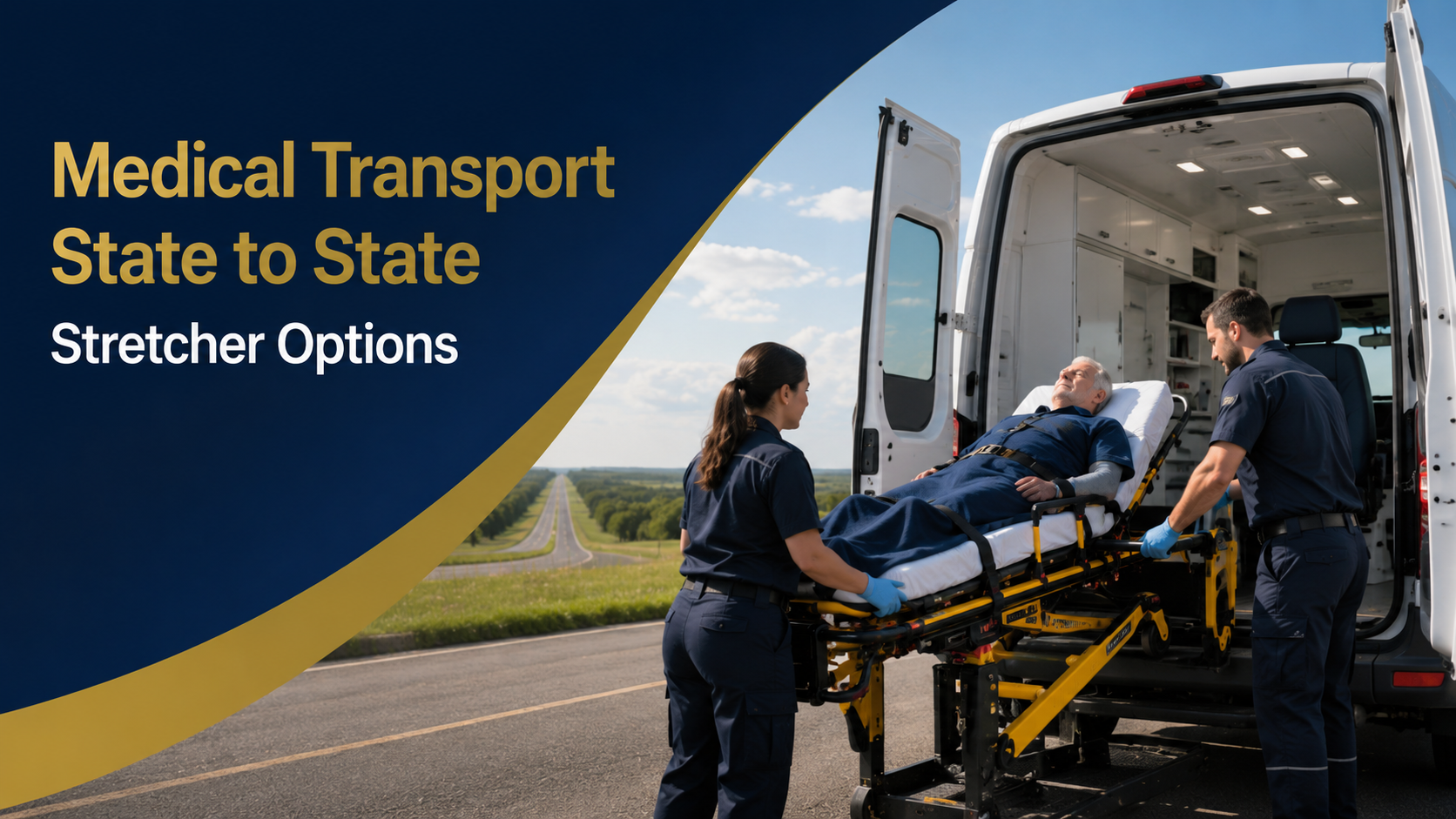
- Emergency Medical Transport: In critical situations, medical transportation services offer emergency transport for disabled individuals. This includes ensuring safe transportation to hospitals or medical facilities during emergencies, guaranteeing prompt and appropriate medical attention.
- Medical transportation services play a vital role in emergency situations, ensuring that disabled individuals receive timely and safe transportation to medical facilities. This can be especially crucial during life-threatening emergencies when every second counts.
- During emergency medical transport, medical transportation services may collaborate with emergency medical personnel to provide necessary medical care during the transportation process. This ensures that disabled individuals receive the appropriate care and support while being transported to the medical facility.
- The availability of emergency medical transport for disabled individuals is essential in saving lives and minimizing complications during critical situations. It provides peace of mind to disabled individuals and their families, knowing that help is readily available when needed.
Conclusion
Medical transportation services play a crucial role in addressing the transportation challenges faced by disabled individuals. By providing accessible and specialized transportation options, these services ensure that disabled individuals have equal access to healthcare and can lead fulfilling lives. It is imperative that society acknowledges the importance of medical transportation for disabled individuals and works towards creating an inclusive and accessible transportation infrastructure for all. Together, we can ensure that disabled individuals are not forgotten and have the opportunity to thrive in a world that embraces their unique needs.
FAQ
1. Why is accessible transportation important for disabled individuals?
Accessible transportation is important for disabled individuals because it ensures equal access to healthcare, enhances their quality of life, and enables them to receive timely and efficient medical care. It allows them to attend medical appointments, engage in social activities, pursue employment or educational opportunities, and improves their overall well-being and independence.
2. What are the challenges faced by disabled individuals in transportation?
Disabled individuals face challenges such as physical barriers, limited accessibility options, and financial constraints in transportation. Physical barriers include the absence of wheelchair ramps and narrow doorways in public transportation vehicles, limiting their mobility and independence. Limited accessibility options restrict their access to essential services and opportunities. Financial constraints make accessible transportation services unaffordable for many disabled individuals, leading to compromised health outcomes.
3. How do medical transportation services benefit disabled individuals?
Medical transportation services benefit disabled individuals by providing specialized equipment and vehicles, trained staff, door-to-door service, flexibility and adaptability, and emergency medical transport. Specialized vehicles with wheelchair lifts and securement systems ensure safe and comfortable transportation. Trained staff assist disabled individuals and handle medical emergencies. Door-to-door service eliminates the need to navigate through inaccessible public transportation systems. Flexibility and adaptability cater to various disabilities and medical conditions. Emergency medical transport ensures prompt and appropriate medical attention during critical situations.
4. What can be done to improve accessible transportation options for disabled individuals?
To improve accessible transportation options for disabled individuals, it is crucial to address physical barriers by implementing accessible infrastructure such as ramps and wider doorways. Collaboration between government entities, transportation providers, and disability advocacy groups is necessary to expand accessible transportation services and ensure their availability in all areas. Embracing technology advancements like ride-sharing services with wheelchair-accessible vehicles can also contribute to expanding accessible transportation options. Additionally, addressing financial constraints can be achieved through government subsidies, insurance coverage, or partnerships with nonprofit organizations that provide financial assistance.