How to Plan Transportation Before and After a Procedure in Fairfax County
The Procedure May Be Finished, but the Transportation Plan Is Not
After outpatient surgery, imaging, sedation, treatment or another medical procedure, some patients cannot simply drive themselves home or use the same transportation they used to arrive.
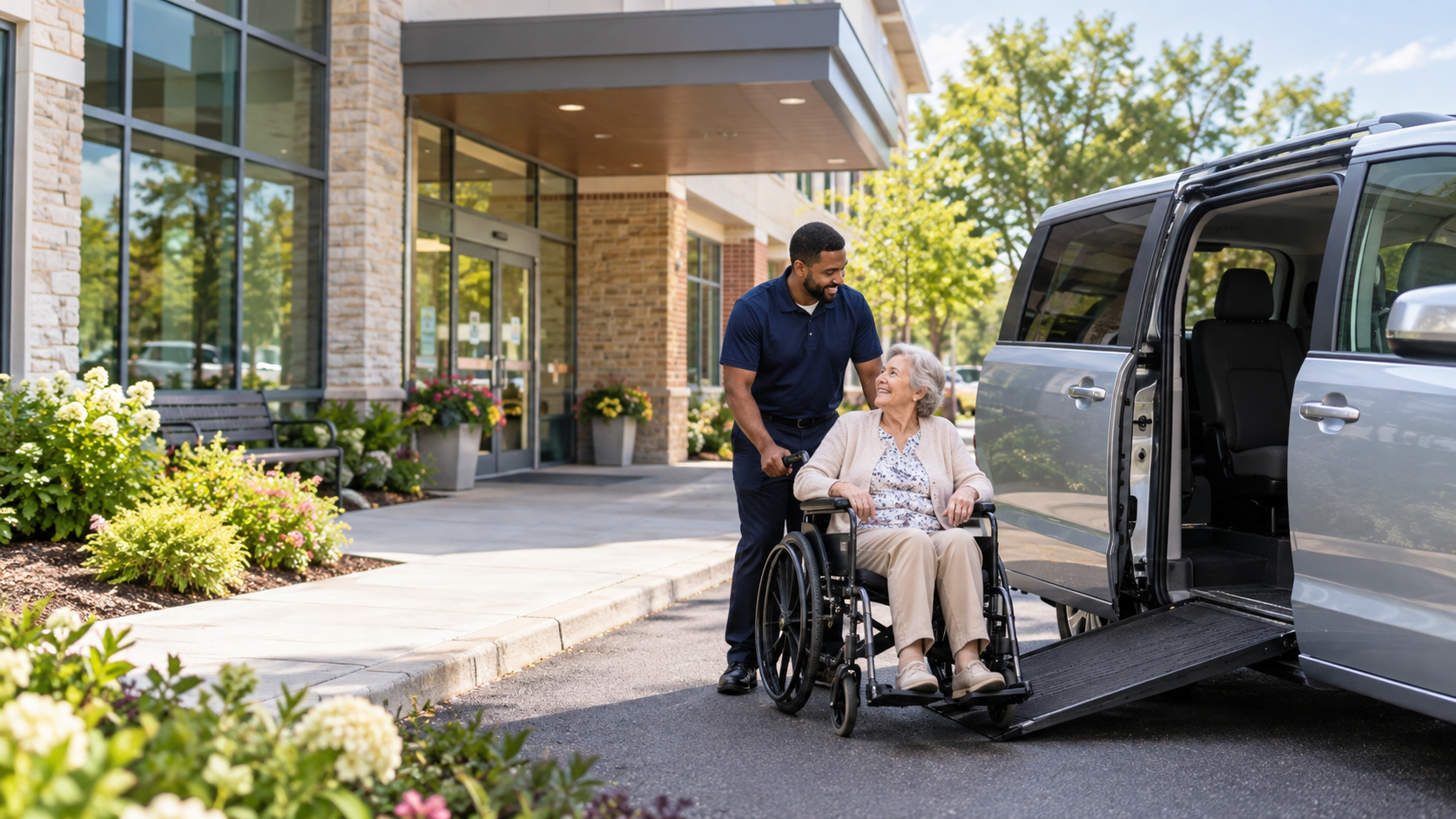
UniqueHands provides private-pay, pre-arranged non-emergency transportation for medically stable passengers throughout Fairfax County who need ambulatory, wheelchair, qualifying stretcher, hospital discharge or other scheduled transportation after care.
What Does the Facility Require for Discharge?
- Is the patient permitted to leave alone?
- Does the facility require a responsible adult?
- Is an escort required in addition to transportation?
- Will the patient be able to walk after the procedure?
- Will wheelchair assistance be needed?
- What is the expected discharge window?
- Which entrance is used for pickup?
- Is someone required to remain with the patient afterward?
Looking for All Fairfax Medical Transportation Services?
This guide focuses specifically on transportation before and after medical procedures. For wheelchair, stretcher, ambulatory, senior, hospital discharge, recurring and long-distance transportation, visit our main Non-Emergency Medical Transportation in Fairfax, VA page.
The Ride Home Can Require More Planning Than the Ride In
Before a procedure, a patient may feel well enough to travel independently. After sedation, anesthesia, surgery or treatment, that same patient may temporarily be unable to drive or may need additional mobility assistance.
The healthcare facility may also have its own discharge rules. Some facilities require a responsible adult, escort or other arrangement before releasing a patient.
Those rules should be confirmed directly with the physician or procedure center before transportation is booked.
A Driver Is Not Automatically the Same as a Required Responsible Adult
A transportation service may be able to provide the ride home, but the healthcare facility may require something additional.
If the facility says the patient needs a responsible adult, escort or someone to remain with them after discharge, clarify those requirements before procedure day.
Tell UniqueHands exactly what assistance is being requested so the transportation request can be reviewed appropriately.
The Transportation Question Usually Appears Before the Procedure
Do Not Wait Until Discharge to Decide How the Patient Is Getting Home
The best time to plan post-procedure transportation is before the procedure takes place.
Ask the medical office about discharge requirements and whether the passenger is expected to have temporary mobility limitations. Then provide the transportation company with the pickup location, expected release window, destination and passenger mobility.
If the procedure center uses a specific discharge entrance, provide that information as well.
The Right Transportation Depends on the Passenger After the Procedure
Ambulatory Transportation
For medically stable passengers who can walk independently or with limited assistance but cannot or should not drive themselves following a procedure.
Ambulatory transportation →Wheelchair Transportation
For passengers who use a wheelchair or temporarily require wheelchair-accessible transportation after surgery, treatment or another medical procedure.
Wheelchair transportation →Stretcher Transportation
For qualifying medically stable passengers who cannot safely or comfortably travel seated and need a lying-down transportation arrangement.
Stretcher transportation →Hospital Discharge Transportation
Planned transportation from a hospital or procedure setting to home, rehabilitation, senior living or another approved destination.
Hospital transportation →Senior Transportation
For older adults whose medical appointments or procedures require a transportation plan beyond a family vehicle.
Senior transportation →Long-Distance Transportation
For qualifying medically stable passengers whose discharge, rehabilitation or post-procedure destination is outside Fairfax County or Northern Virginia.
Long-distance transportation →Why a Patient May Need Transportation After Care
The transportation requirement depends on the actual medical procedure and the discharge instructions provided by the healthcare provider.
Medical Transportation Across Fairfax County
Procedure transportation may begin in one Fairfax County community and end at a hospital, physician office, rehabilitation facility or residence somewhere else in Northern Virginia.
Main Fairfax Local Service Page Non-Emergency Medical Transportation in Fairfax, VA Explore wheelchair, stretcher, ambulatory, senior, hospital discharge, recurring and long-distance transportation in Fairfax.Transportation availability depends on passenger mobility, requested transportation type, pickup and destination, scheduling, access conditions and vehicle availability.
Three Conversations Can Prevent Most Transportation Confusion
Arrange After-Procedure Transportation Directly With UniqueHands
UniqueHands provides private-pay non-emergency medical transportation for medically stable passengers throughout Fairfax County and surrounding Northern Virginia communities.
UniqueHands does not bill Medicaid, Medicare or private health insurance.
Pricing depends on the requested transportation type, pickup and destination, passenger mobility, mileage, waiting or return arrangement, accessibility conditions and requested assistance.
Continue Planning the Medical Trip
When NEMT Is Not the Right Transportation
UniqueHands provides scheduled non-emergency transportation for medically stable passengers. It is not an ambulance or emergency medical service. If someone is experiencing a medical emergency, severe symptoms or a potentially life-threatening condition, call 911.
Questions to Ask Before the Procedure
Can UniqueHands provide transportation home after an outpatient procedure?
Transportation may be available for medically stable passengers following outpatient procedures. The patient should first confirm the healthcare facility's discharge and responsible-adult requirements.
Can I use a rideshare after anesthesia or sedation?
The answer depends on the healthcare facility's discharge policies and the procedure performed. Some facilities require a responsible adult or other arrangements after sedation. Confirm the requirements directly with the provider.
Can UniqueHands provide wheelchair transportation after a procedure?
Yes. Wheelchair transportation may be reviewed when a medically stable passenger needs wheelchair-accessible transportation after care.
Do you provide stretcher transportation after surgery?
Qualifying medically stable passengers who cannot safely or comfortably travel seated may be appropriate for non-emergency stretcher transportation.
What if the discharge time changes?
Procedure and discharge times can change. Tell UniqueHands when requesting the trip that the pickup time is dependent on discharge and communicate updates whenever possible.
Can a family member arrange transportation for someone else?
Yes. Family members and caregivers can contact UniqueHands on behalf of a passenger and provide the trip, mobility and contact information.
Does UniqueHands accept Medicare, Medicaid or insurance?
No. UniqueHands currently provides private-pay medical transportation and does not bill Medicaid, Medicare or private health insurance.
Planning Transportation After a Procedure?
Tell us the procedure location, expected discharge window, passenger mobility, wheelchair or stretcher requirements, destination, building access and whether the healthcare facility has given you any special discharge instructions.
UniqueHands provides private-pay, pre-arranged non-emergency medical transportation. Transportation is subject to passenger needs, trip review, scheduling and availability. Healthcare facilities establish their own procedure-discharge and responsible-adult requirements. For a medical emergency, call 911.
UNIQUEHANDS RESOURCES
Medical Transportation Articles
Explore practical guides for families, caregivers, and facilities planning wheelchair, stretcher, ambulatory, hospital discharge, long-distance, and state-to-state non-emergency medical transportation.