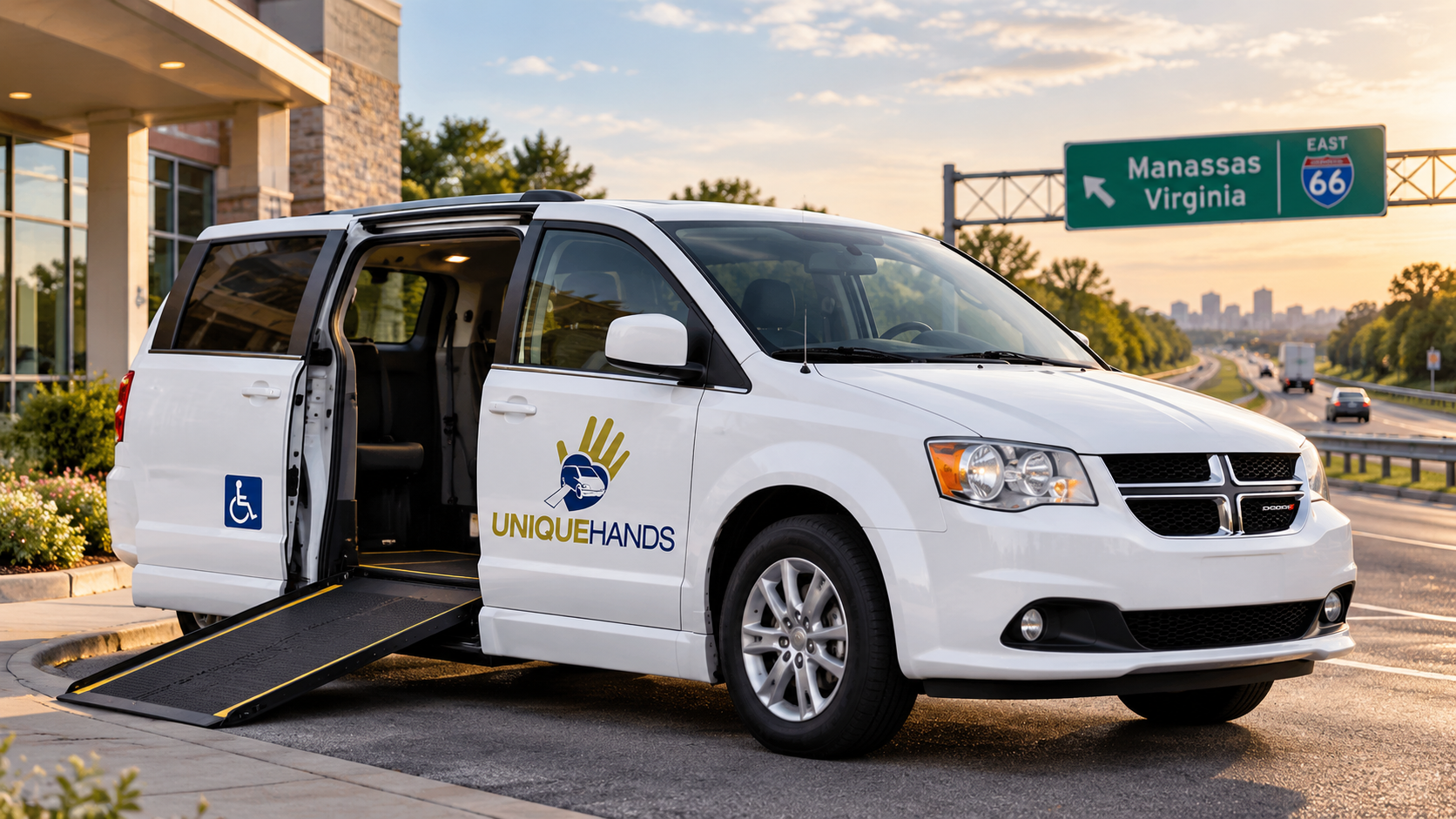

Medical Transport Cross Country: Preventing Unnecessary Delays
A long-distance or state-to-state medical transportation trip requires more planning than a local ride. Pickup access, passenger mobility, facility procedures, travel distance, weather, documentation, and scheduling can all affect the journey.
Preparing these details early can help families avoid preventable delays and create a clearer, more organized transportation experience for the passenger, family, facilities, and transportation team.
What Causes Delays in Cross-Country Medical Transport?
Common delays occur when pickup or destination information is incomplete, the passenger's mobility needs are not fully explained, facility discharge or admission procedures are unclear, or the trip is requested without enough planning time. Accurate information and early coordination are especially important for long-distance medical transportation.
For complete information about scheduling longer private-pay trips, transportation options, and availability, visit our main Long-Distance Medical Transportation service page.
UNDERSTANDING THE SERVICE
Understanding Cross-Country Medical Transportation
Cross-country medical transportation is scheduled, non-emergency ground transportation for medically stable passengers traveling a significant distance.
A trip may be needed for relocation, hospital discharge, rehabilitation admission, transfer to a senior care community, specialized appointments, return home after healthcare treatment, or a move closer to family.
Depending on the passenger's mobility, transportation may involve Wheelchair Transportation, Stretcher Transportation, Ambulatory Transportation, or additional mobility coordination.
UniqueHands provides private-pay Non-Emergency Medical Transportation Services for qualifying local and long-distance transportation requests.
The passenger must be appropriate for non-emergency transportation. Every request remains subject to route review, passenger needs, scheduling, staffing, vehicle availability, access conditions, and destination requirements.
COMMON DELAY POINTS
Why Long-Distance Medical Transportation Can Be Delayed
Many transportation problems can be reduced when the family, facility, and transportation provider share complete information before the travel date.
Incomplete Trip Information
Missing addresses, unit numbers, entrance instructions, appointment times, facility contacts, or discharge details can slow down trip review and pickup coordination.
Unclear Mobility Needs
The transportation team needs to know whether the passenger walks, uses a walker, remains in a wheelchair, requires stretcher transportation, or needs additional assistance.
Pickup Access Problems
Stairs, narrow hallways, elevators, long distances to the vehicle, gated entrances, and restricted loading areas can require additional planning.
Facility Procedures
Hospitals, rehabilitation centers, assisted living communities, and skilled nursing facilities may have specific discharge, admission, paperwork, entrance, or arrival procedures.
Late Reservation Requests
A longer trip requires route planning, scheduling, transportation review, passenger information, and vehicle availability. Last-minute requests can reduce available options.
Weather and Road Conditions
Traffic, construction, storms, accidents, road closures, and other travel conditions can affect arrival times even when a trip has been carefully planned.
PLANNING YOUR TRANSPORTATION
Help Us Understand the Trip
You do not need to have every detail figured out before contacting UniqueHands.
Start with the basic transportation information and our team can ask additional questions while reviewing the request.
Clear information helps determine the transportation option, expected travel time, accessibility issues, trip requirements, and private-pay quote.
Review transportation questions and policiesTrip Details We Will Ask For
- 1
Where is the passenger going?
Provide the complete pickup and destination addresses, including the name of any hospital, rehabilitation center, senior community, skilled nursing facility, or other destination.
- 2
When is transportation needed?
Share the requested travel date, preferred pickup time, appointment time, admission time, or expected discharge window.
- 3
How does the passenger travel?
Tell us whether the passenger can walk, uses a walker, remains in a wheelchair, or requires stretcher transportation.
- 4
Is assistance needed at pickup or arrival?
Explain whether the passenger needs additional transportation assistance reaching the vehicle, entering the destination, or completing a facility handoff.
- 5
Are there stairs or access concerns?
Tell us about stairs, ramps, elevators, narrow hallways, gated entrances, facility entrances, or a long distance between the room and vehicle.
- 6
Will anyone travel with the passenger?
Tell us about a family member or caregiver, mobility equipment, luggage, companion requests, or other transportation arrangements.
ADDITIONAL MOBILITY SUPPORT
When Bed-to-Bed Transportation May Be Needed
Some passengers need more than transportation from one curb to another.
Significant mobility limitations can make the route between the passenger's room, residence, facility entrance, vehicle, and receiving destination an important part of the transportation plan.
For qualifying passengers, Bed-to-Bed Transportation may provide additional transportation coordination at pickup and destination.
Access Details May Include
- Exterior steps
- Interior stairs
- Elevator access
- Long hallways
- Narrow entrances
- Facility pickup procedures
- Receiving-facility procedures
- Distance from the passenger to vehicle access
TRIP COORDINATION
A Simple Cross-Country Transportation Timeline
Submit the Request
Send the pickup, destination, travel date, mobility needs, facility details, and requested assistance.
Trip Review
The transportation team reviews the route, distance, transportation type, access conditions, passenger requirements, scheduling, and availability.
Confirm the Details
Verify addresses, contacts, timing, passenger readiness, companion arrangements, and facility instructions before the travel date.
Prepare for Pickup
Have the passenger, identification, paperwork, mobility equipment, and approved belongings ready at the agreed time.
Coordinate Arrival
Make sure the receiving residence or facility expects the passenger and understands the anticipated arrival plan.
FACILITY-TO-FACILITY TRAVEL
Hospital Discharges and Facility Transfers Need Extra Coordination
Long-distance transportation frequently involves a hospital, rehabilitation center, skilled nursing facility, assisted living community, or other care setting.
In these situations, delays can occur when the sending facility does not have the passenger ready, the discharge time changes, the receiving facility is not expecting the passenger, or the correct entrance and contacts have not been provided.
Families and facilities should provide the latest transportation information as early as possible and notify UniqueHands when important details change.
Final Checklist Before the Transportation Date
- Confirm pickup and destination addresses
- Confirm passenger mobility and transportation needs
- Verify stairs, elevators, ramps, and entrances
- Confirm facility contacts and arrival procedures
- Prepare identification and facility paperwork
- Confirm companion or caregiver arrangements
- Keep the transportation contact number available
- Notify UniqueHands promptly about important changes
PRIVATE-PAY TRANSPORTATION
Pricing for Cross-Country Medical Transportation
Cross-country transportation does not have one universal price. The quote depends on the individual trip.
Factors may include mileage, travel time, transportation type, passenger mobility, access conditions, waiting requirements, requested date, companion needs, and additional transportation assistance.
UniqueHands provides private-pay transportation.
We do not represent that Medicare, Medicaid, or private insurance automatically covers cross-country or state-to-state transportation. Families interested in possible reimbursement should contact the passenger's individual insurance or benefits administrator.
FREQUENTLY ASKED QUESTIONS
Cross-Country Medical Transport FAQ
Is cross-country medical transport an ambulance service?
No. UniqueHands provides scheduled non-emergency medical transportation for medically stable passengers. Anyone experiencing a medical emergency or requiring emergency ambulance-level care should call 911.
How early should a long-distance trip be requested?
Advance notice is strongly recommended. Longer trips require route, schedule, transportation type, passenger, access, destination, and availability review.
What information is needed for a quote?
Provide complete pickup and destination addresses, requested date and time, passenger mobility needs, wheelchair or stretcher details, accessibility information, facility instructions, and requested companion arrangements.
Can a family member travel with the passenger?
Companion arrangements should be discussed before the trip. Whether someone can accompany the passenger depends on available seating, transportation type, passenger needs, and trip requirements.
Does UniqueHands provide companion or escort assistance?
Non-clinical companion or escort assistance may be available when appropriate and arranged in advance. Discuss the requested support when scheduling transportation.
What happens if the hospital discharge time changes?
Contact UniqueHands as soon as the timing changes. Schedule changes remain subject to transportation, staffing, route, and vehicle availability, so early communication is important.
Can wheelchair passengers travel cross-country?
Qualifying long-distance wheelchair transportation may be available depending on passenger mobility, route, access conditions, requested date, and availability.
Can stretcher transportation be used for a cross-country trip?
Qualifying non-emergency stretcher transportation may be available when the passenger cannot safely or comfortably remain seated and the requested trip is appropriate for scheduled ground NEMT.
Can bed-to-bed transportation be arranged?
Qualifying Bed-to-Bed Transportation may be available when significant mobility limitations require additional transportation coordination at the pickup location and destination.
Does Medicare, Medicaid, or insurance automatically pay for the trip?
No automatic coverage is represented. UniqueHands provides private-pay transportation. Questions regarding possible reimbursement should be directed to the passenger's individual insurance or benefits provider.
Need more information? Visit the complete UniqueHands FAQ page.
PLAN THE TRIP EARLY
Need Long-Distance or State-to-State Medical Transportation?
Share the passenger's pickup location, destination, requested date, mobility needs, transportation type, facility instructions, accessibility conditions, and requested assistance.
The UniqueHands team will review the transportation request, route, scheduling requirements, and availability and can provide trip-specific private-pay pricing.
Email: info@uhtrans.com