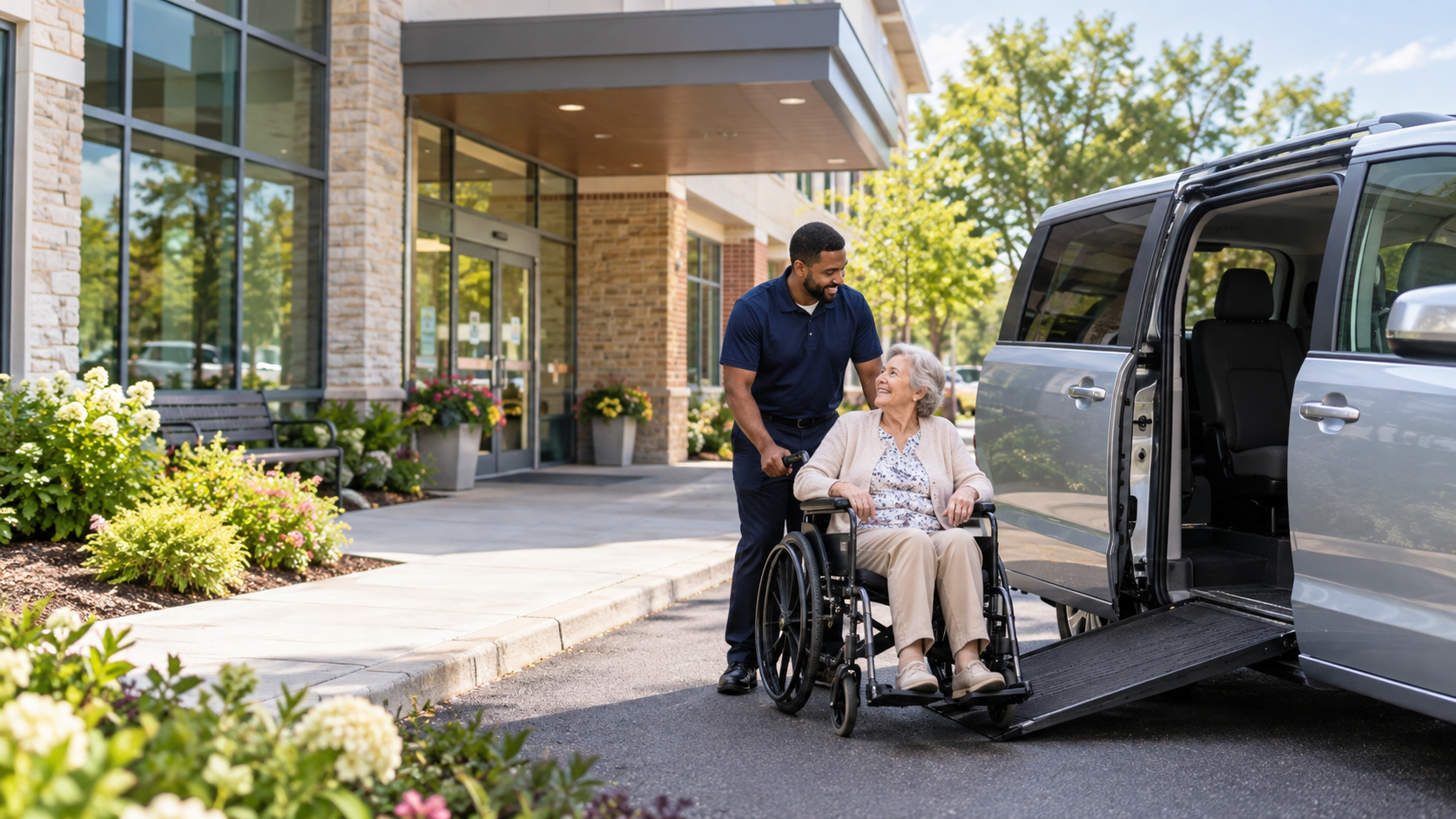
Long Distance Medical Transportation: Your Trusted Partner in Medical Journeys
Long-Distance Medical Transport: Uniquehands NEMT, Your Trusted Partner in Medical Journeys
In the realm of healthcare, access to specialized medical services often requires patients to travel long distances. Whether it's for life-saving surgeries, critical consultations, or specialized treatments, the need for long-distance medical transportation service is a reality many individuals and families face. In this comprehensive guide, we explore the world of long-distance medical transport, shedding light on its intricacies, benefits, and how it can be your trusted partner in medical journeys.
Understanding Long-Distance Medical Transport
Long-distance medical transport, often referred to as medical evacuation or medevac, is a specialized long distance transportation services that ensures patients receive the medical care they require, even if it means traveling long distances. It encompasses various modes of transport, including ground ambulances, air ambulances, and medically equipped vehicles, all designed to accommodate patients with unique medical needs.
The Need for Long-Distance Medical Transport
1. Critical Medical Situations
In emergencies where time is of the essence, long-distance medical transport becomes a lifeline. It provides swift access to advanced medical facilities and specialists, increasing the chances of survival and recovery for critically ill patients.
2. Specialized Medical Care
Certain medical conditions require highly specialized care that might not be available locally. Long-distance transport bridges the gap, ensuring patients can reach healthcare facilities that specialize in their specific condition or treatment.
The Role of Air Ambulances
Air ambulances, equipped with state-of-the-art medical equipment and staffed by experienced medical professionals, play a pivotal role in long-distance medical transport.
They offer several advantages:
- Speed: Air ambulances are the fastest means of long-distance medical transport, enabling rapid response to critical situations.
- Accessibility: They can reach remote or inaccessible locations, making them indispensable in emergencies.
- Advanced Care: Air ambulances provide a level of medical care comparable to a hospital, with specialized equipment and skilled medical teams on board.
Choosing the Right Long-Distance Medical Transport Provider
Selecting the right provider for long-distance medical transport is paramount to ensure the safety and well-being of the patient. Consider the following factors:
1. Accreditation and Licensing
Ensure the medical transport provider is accredited by relevant healthcare organizations and holds the necessary licenses and certifications. This guarantees compliance with safety and quality standards.
2. Experience and Expertise
Look for providers with a proven track record in long-distance medical transport. Experience equates to reliability, ensuring seamless coordination during the journey.
3. Fleet and Equipment
Inspect the provider's fleet and equipment to ensure they are well-maintained and equipped to handle various medical conditions. This includes assessing the availability of specialized equipment such as ventilators and cardiac monitors, if that is something provided by long-distance medical provider.
The Process of Long-Distance Medical Transport
Understanding the journey is essential for both patients and their families. Here's a step-by-step overview of the typical process:
1. Assessment and Planning
- Medical professionals assess the patient's condition and determine the most suitable mode of transport (ground or air).
2. Coordination
- The transport provider coordinates with healthcare facilities at both ends to ensure a smooth transition of care.
3. Medical Team
- A specialized medical team, including doctors and nurses, accompanies the patient to provide continuous care during the journey. (Not all Non emergency Medical transportations carries a doctor and nurse on board. Sometimes, its needs to be discussed and requested). Not all long distance transportation services needs to have a nurse on board.
4. Continuous Monitoring
- Throughout the transport, the patient's vital signs are closely monitored, and medical interventions are performed if necessary.
5. Arrival and Handover
- Upon arrival, the patient is safely handed over to the receiving medical team, ensuring a seamless continuation of treatment.

The Benefits of Long-Distance Medical Transport
Long-distance medical transport offers a myriad of benefits, including:
- Timely Access: Patients can access specialized care promptly, improving their chances of recovery.
- Safety: Medical transport providers adhere to stringent safety standards, ensuring a secure journey.
- Peace of Mind: Families can have peace of mind, knowing their loved ones are receiving the best care available.
Conclusion
In the realm of healthcare, long-distance medical transport plays a crucial role in ensuring patients receive the care they need, regardless of geographical barriers. When time is of the essence, and specialized medical care is imperative, these services become invaluable. By understanding the process, choosing the right provider, and recognizing the benefits, individuals and families can navigate the complex landscape of long-distance medical transport with confidence and hope for a healthier future.
In summary, long-distance medical transport is a lifeline for patients in critical need, providing swift and safe access to specialized medical care. When faced with the challenges of medical journeys, it's reassuring to know that these services are available to bridge the geographical gap, ensuring that healthcare is accessible to all.
UNIQUEHANDS RESOURCES
Medical Transportation Articles
Explore practical guides for families, caregivers, and facilities planning wheelchair, stretcher, ambulatory, hospital discharge, long-distance, and state-to-state non-emergency medical transportation.