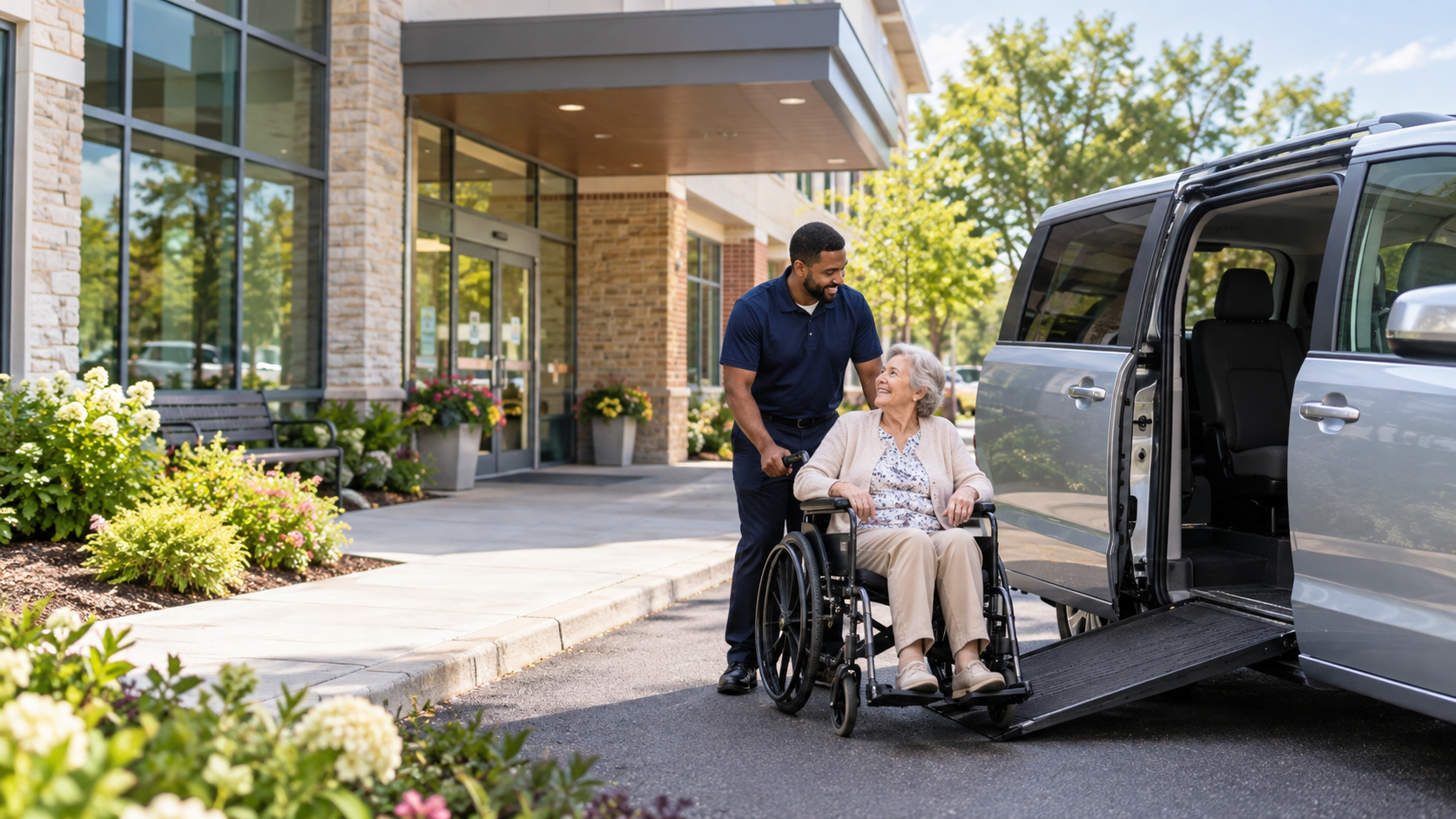
Long Distance Non-Emergency Medical Transport Challenges in Richmond, VA
Overcoming Challenges in Long-Distance Non-Emergency Medical Transport for Richmond, VA Residents
Long-distance non-emergency medical transport presents unique challenges for residents of Richmond, VA, requiring careful planning and coordination to ensure patient safety and comfort. One of the primary challenges is the need for specialized vehicles equipped to handle long journeys while maintaining medical support for patients with chronic conditions or mobility issues. These vehicles must provide features such as reclining seats, climate control, and onboard medical equipment to manage any potential health issues during transit. Additionally, trained medical personnel are essential to monitor the patient's condition and respond to any emergencies that may arise during the journey, ensuring a seamless and secure transport experience.
Another significant challenge in long-distance non-emergency medical transport is coordinating logistics to minimize travel time and maximize efficiency. This involves meticulous route planning to avoid traffic congestion and ensure timely arrivals at medical facilities or patient homes.
Communication between transport providers, healthcare facilities, and patients is crucial to address any
changes in the patient's condition or transport schedule. Moreover, the emotional and psychological
well-being of patients must be considered, as long-distance travel can be stressful, especially for those with health concerns.
By addressing these challenges with a patient-centered approach, transport services in Richmond can provide reliable and compassionate care, ensuring that patients reach their destinations safely and comfortably.

Long Distance Non-Emergency Medical Transport Challenges in Richmond, VA
Long distance non-emergency medical transport plays a crucial role in ensuring that individuals with medical needs can access the care they require, even when they are located far away from medical facilities. In Richmond, VA, similar to other cities, there are unique challenges that must be addressed to ensure a safe and efficient transportation experience for patients. This article will delve into these challenges and explore possible solutions to overcome them.
1. Limited Availability of Specialized Vehicles
One of the primary challenges in long-distance non-emergency medical transport in Richmond, VA is the limited availability of specialized vehicles. These vehicles are designed to accommodate patients with specific medical conditions, such as those requiring wheelchair accessibility, stretcher transportation, or specialized medical equipment. The scarcity of these vehicles can lead to delays in scheduling and difficulties in finding appropriate transportation options for patients.
To address this challenge, it is crucial for medical transport providers in Richmond, VA to invest in a diverse fleet of vehicles to cater to the varying needs of patients. By expanding the range of available vehicles, providers can ensure that patients with different medical conditions can be safely transported without unnecessary delays.
Additionally, providers can establish partnerships or collaborations with other medical transport companies to share resources and ensure a wider availability of specialized vehicles. This cooperative approach can help overcome the limitations posed by the scarcity of these vehicles in Richmond, VA.
Moreover, it is essential for medical transport providers to conduct regular assessments and evaluations of the demand for specialized vehicles in the area. By staying updated on the evolving needs of the community, providers can make informed decisions regarding the addition of new vehicles to their fleet.
2. Traffic Congestion and Road Conditions
Richmond, VA is known for its heavy traffic congestion, especially during peak hours. This poses a significant challenge for non-emergency medical transport providers, as delays caused by traffic can result in missed appointments or prolonged travel times for patients. Moreover, poor road conditions can further exacerbate the problem, making the transportation experience uncomfortable and potentially compromising patient safety.
To mitigate the impact of traffic congestion and poor road conditions, it is essential for medical transport providers to employ experienced drivers who are familiar with the local traffic patterns. These drivers should possess excellent navigational skills and the ability to adapt to changing road conditions swiftly.
Additionally, providers should invest in advanced GPS systems that can provide real-time traffic updates and alternative routes to avoid congested areas. By leveraging technology, medical transport providers can optimize their routes and minimize the impact of traffic congestion on patient transportation.
Regular vehicle maintenance and inspections are also crucial to ensure that the vehicles can withstand the challenges posed by poor road conditions. Providers should establish a robust maintenance schedule, including routine checks on tires, brakes, and suspension systems. This proactive approach can help prevent breakdowns or accidents that may occur due to road conditions.
3. Coordination with Healthcare Facilities
Another challenge in long-distance non-emergency medical transport in Richmond, VA is the coordination with healthcare facilities. Efficient communication and coordination are vital to ensure a smooth transition for patients from their pickup location to the medical facility. Delays or miscommunication can result in missed appointments or confusion for both the patient and the healthcare facility.
To tackle this challenge, medical transport providers should establish strong relationships with healthcare facilities in Richmond, VA. Regular communication with the facilities can help foster understanding and collaboration between the transport provider and the healthcare staff.
Providers should make an effort to understand the specific requirements and protocols of each healthcare facility they serve. By familiarizing themselves with the procedures and preferences of the facilities, providers can streamline the coordination process and ensure a seamless experience for patients.
Implementing a reliable and streamlined system for appointment scheduling, confirmation, and rescheduling can further enhance coordination between the transport provider and the healthcare facility. This can be achieved through the use of digital platforms or software that allow for efficient communication and real-time updates.
Additionally, providers should designate a dedicated staff member or team responsible for coordinating with healthcare facilities. This individual or team can serve as a point of contact for both the transport provider and the healthcare facility, ensuring clear and effective communication throughout the transportation process.
4. Ensuring Patient Comfort and Safety
When it comes to long-distance non-emergency medical transport, patient comfort and safety are of utmost importance. Patients often have underlying medical conditions or are recovering from surgeries, making their transportation needs more delicate. It is crucial to provide a safe and comfortable environment during the journey to minimize any discomfort or potential risks to the patient's health.
To address this challenge, medical transport providers should ensure that their vehicles are equipped with necessary safety features. These features may include appropriate restraints, such as seat belts or wheelchair straps, to secure the patient during the journey. Adequate ventilation systems should also be in place to maintain a comfortable temperature and air quality inside the vehicle.
Moreover, providers should prioritize the training and education of their staff to provide compassionate care and support during the journey. Staff members should possess the knowledge and skills to address any concerns or specific needs of the patients. This includes understanding how to handle medical equipment, administer medication if necessary, and provide emotional support to patients who may be anxious or in pain.
Additionally, providers can offer amenities or additional services that enhance patient comfort. These may include providing blankets, pillows, or entertainment options to make the journey more pleasant for the patient. Creating a patient-centric approach and tailoring the transport experience to individual needs can significantly contribute to patient comfort and satisfaction.
Conclusion
In Richmond, VA, as with any city, long-distance non-emergency medical transport faces several challenges. These challenges include limited availability of specialized vehicles, traffic congestion, coordination with healthcare facilities, and ensuring patient comfort and safety. By recognizing and addressing these challenges, medical transport providers can strive towards providing a seamless and reliable transportation experience for patients in need. Continuous efforts to enhance the quality of service will contribute to improved access to healthcare for individuals who require long-distance non-emergency medical transport in Richmond, VA.
FAQ
1. What is the primary challenge in long-distance non-emergency medical transport in Richmond, VA?
The limited availability of specialized vehicles is a primary challenge in long-distance non-emergency medical transport in Richmond, VA.
2. How can the impact of traffic congestion and poor road conditions be mitigated in medical transport?
To mitigate the impact of traffic congestion and poor road conditions, medical transport providers should employ experienced drivers, invest in advanced GPS systems for real-time traffic updates, and conduct regular vehicle maintenance and inspections.
3. How can coordination with healthcare facilities be improved in long-distance non-emergency medical transport?
Coordination with healthcare facilities can be improved by establishing strong relationships, understanding specific requirements and protocols, implementing a reliable system for appointment scheduling and communication, and designating a dedicated staff member or team for coordination.
4. What measures should be taken to ensure patient comfort and safety during long-distance non-emergency medical transport?
To ensure patient comfort and safety, medical transport providers should ensure vehicles are equipped with necessary safety features, prioritize staff training and education, and offer amenities or additional services tailored to individual needs.
UNIQUEHANDS RESOURCES
Medical Transportation Articles
Explore practical guides for families, caregivers, and facilities planning wheelchair, stretcher, ambulatory, hospital discharge, long-distance, and state-to-state non-emergency medical transportation.